
In today’s digital age, healthcare websites play a vital role in promoting wellness and empowering individuals to take control of their health. High-performance healthcare websites not only provide valuable information but also prioritize user experience, leverage technology for improved health outcomes, ensure security and privacy, and measure their own performance for continuous improvement. Understanding the importance of these aspects is crucial for healthcare providers and organizations looking to boost wellness through their online presence.
Understanding the Importance of High-Performance Healthcare Websites
High-performance healthcare websites go beyond being just online brochures. They serve as a gateway to wellness, providing users with access to a wealth of health-related resources and services. These websites can empower individuals to make informed decisions about their health, seek appropriate medical support, and take preventative measures to stay healthy.
One of the key benefits of high-performance healthcare websites is their ability to promote wellness by connecting users to a wide range of healthcare providers, services, and resources. Whether it’s finding a nearby clinic, scheduling appointments, or accessing educational materials, these websites serve as a vital tool in improving access to healthcare.
The Role of Healthcare Websites in Wellness Promotion
Healthcare websites play a crucial role in wellness promotion by providing users with the information they need to make informed decisions about their health and well-being. These websites serve as a platform for healthcare providers to educate patients about various health conditions, treatment options, and preventive measures.
Additionally, healthcare websites can offer interactive tools and resources to encourage individuals to take an active role in their wellness journey. Features such as symptom checkers, healthy living advice, and self-assessment tools empower users to manage their health proactively and make positive lifestyle changes.
Key Features of High-Performance Healthcare Websites
Creating a high-performance healthcare website involves integrating key features that enhance user experience and promote wellness. These features include:
- Intuitive Navigation: Users should be able to easily navigate and find relevant information on the website.
- Mobile-Friendly Design: With the increasing use of smartphones, ensuring a responsive design is essential for reaching a wider audience.
- Access to Personal Health Records: Secure access to personal health records allows users to track their medical history and share it with healthcare providers.
- Appointment Scheduling: Online appointment scheduling makes it convenient for users to book appointments without the need for phone calls or long waits.
- Educational Resources: Providing reliable and up-to-date health information helps users make informed decisions about their well-being.
- Community Engagement: Building online communities where users can connect with peers, share experiences, and seek support fosters a sense of belonging and empowers individuals to take control of their health.
Furthermore, high-performance healthcare websites can also incorporate telehealth services, allowing users to have virtual consultations with healthcare professionals. This feature is particularly beneficial for individuals who have limited mobility, live in remote areas, or have busy schedules.
Another important aspect of high-performance healthcare websites is the integration of personalized health recommendations. By analyzing user data, such as medical history, lifestyle habits, and preferences, these websites can provide tailored suggestions for improving overall well-being. Whether it’s personalized exercise routines, nutrition plans, or stress management techniques, these recommendations can help individuals make positive changes in their lives.
Designing for User Experience in Healthcare Websites
User experience (UX) is a critical factor in designing high-performance healthcare websites. The principles of user-centered design should be applied to ensure that the website meets the needs and expectations of its users.
One of the primary goals of user-centered design in healthcare websites is to make the information and services easily accessible and understandable. This can be achieved by incorporating clear and concise language, logical navigation systems, and intuitive user interfaces.
When it comes to designing healthcare websites, several crucial principles contribute to an optimal user experience:
- Usability: The website should be easy to use, and users should be able to perform tasks efficiently. For example, implementing a search function that allows users to quickly find the information they need can greatly enhance usability.
- Accessibility: The website should be accessible to users of all abilities, including those with disabilities. This means incorporating features such as alternative text for images, captions for videos, and adjustable font sizes for users with visual impairments.
- Consistency: Consistent design elements and layout contribute to a cohesive and intuitive user experience. By maintaining a consistent color scheme, typography, and navigation structure throughout the website, users can easily navigate and understand the content.
- Clear Information Hierarchy: Users should be able to find the most critical information quickly and easily. By organizing the content in a hierarchical manner, with important information prominently displayed, users can quickly locate the information they need.
- Visual Appeal: A visually appealing design can enhance user engagement and create a positive impression. Incorporating visually appealing graphics, using appropriate color palettes, and implementing responsive design can all contribute to a visually pleasing experience.
Enhancing accessibility is essential for high-performance healthcare websites. By adopting accessible design practices, healthcare providers can reach a broader audience and provide equal access to healthcare information and services for all individuals, regardless of their abilities.
Accessibility features may include providing text alternatives for images, using clear and legible fonts, incorporating proper color contrast, and ensuring keyboard navigability. By considering the diverse needs of users, healthcare websites can enhance inclusivity and improve the overall user experience.
Furthermore, it is important to consider the specific needs of different user groups when designing healthcare websites. For example, elderly users may require larger font sizes and simplified navigation options, while individuals with cognitive impairments may benefit from visual cues and step-by-step instructions.
By conducting user research and incorporating feedback from diverse user groups, healthcare websites can be tailored to meet the specific needs of their target audience. This user-centered approach ensures that the website provides a seamless and inclusive experience for all users.
Leveraging Technology for Improved Health Outcomes
Advances in technology have revolutionized the healthcare industry, and high-performance healthcare websites are embracing these advancements to improve health outcomes. Integrating advanced tech tools and leveraging emerging technologies such as artificial intelligence (AI) and machine learning can further enhance wellness promotion and patient care.
With the integration of advanced tech tools, high-performance healthcare websites can provide users with personalized experiences and tailored information. Imagine visiting a healthcare website and being greeted by a friendly chatbot powered by AI, ready to offer instant support and answer common healthcare questions. This not only saves time but also ensures that users receive accurate and reliable information.
But it doesn’t stop there. These websites can also incorporate wearable device integration, allowing users to seamlessly track their health metrics and sync the data with their healthcare providers’ systems. This means that individuals can easily monitor their progress, share it with their doctors, and make informed decisions about their health.
Another remarkable advancement in healthcare websites is the rise of online telemedicine platforms. These platforms provide users with the convenience of virtual consultations and remote monitoring, eliminating the need for physical visits to healthcare facilities. This not only saves time and money but also enables timely access to healthcare professionals, especially for those living in remote areas or with limited mobility.
The benefits of these technological advancements are exemplified through web design by Health Web Experts. Their approach to creating high-performance healthcare websites integrates the latest tech tools and trends to ensure an optimal user experience. By utilizing advanced features such as AI-powered chatbots, wearable device integration, and telemedicine platforms, Health Web Experts delivers websites that enhance patient care and streamline healthcare interactions.
Now, let’s delve into the impact of AI and machine learning on healthcare websites. These technologies have the power to transform the way healthcare information is delivered and utilized. By analyzing user data, AI algorithms can recommend relevant health resources, suggest preventive measures, and even identify potential health issues before they become major concerns.
Furthermore, machine learning algorithms play a significant role in improving clinical decision support systems. These algorithms can analyze vast amounts of data, such as patient records and medical literature, to assist healthcare professionals in making accurate diagnoses, identifying treatment options, and predicting outcomes. This not only enhances the quality of care but also helps healthcare providers stay up-to-date with the latest research and advancements in their field.
As technology continues to evolve, healthcare websites will continue to leverage these advancements to improve health outcomes. The integration of advanced tech tools, AI, and machine learning will undoubtedly shape the future of healthcare, making it more accessible, personalized, and efficient for everyone.
Ensuring Security and Privacy in Healthcare Websites
Given the sensitive nature of health information, high-performance healthcare websites must prioritize data protection and user privacy. Building trust with users is paramount in promoting wellness and encouraging individuals to engage with online healthcare resources.
Healthcare websites play a critical role in providing access to medical information, appointment scheduling, telemedicine services, and online consultations. As the digital landscape continues to evolve, ensuring the security and privacy of user data becomes increasingly complex and essential. Implementing comprehensive security measures is not only a best practice but also a legal requirement to protect sensitive health information.
Importance of Data Protection in Healthcare Websites
Healthcare websites deal with vast amounts of personal health information, making data protection a crucial aspect of their design and implementation. Implementing robust security measures, such as encryption, secure authentication, and routine vulnerability assessments, helps safeguard user data from unauthorized access or breaches.
Compliance with relevant data protection regulations, such as the Health Insurance Portability and Accountability Act (HIPAA), further ensures that healthcare websites adhere to industry standards for protecting user privacy.
Ensuring data integrity and confidentiality is not only a matter of ethical responsibility but also a way to prevent identity theft, fraud, and unauthorized disclosure of sensitive medical records. By prioritizing data protection, healthcare websites can foster a safe and secure online environment for patients, healthcare providers, and other stakeholders.
Best Practices for Ensuring User Privacy
Respecting user privacy and providing transparency in data usage are essential for building trust. High-performance healthcare websites should clearly communicate their privacy policies and obtain user consent for collecting and storing personal information.
Regularly updating privacy practices, implementing data anonymization techniques, and securely storing user data contribute to a secure and trustworthy online healthcare experience.
Moreover, conducting regular security audits, training staff on data protection protocols, and staying informed about emerging cyber threats are crucial steps in maintaining the integrity of healthcare websites. By staying proactive and vigilant, healthcare organizations can mitigate risks and enhance the overall security posture of their online platforms.
Measuring the Performance of Healthcare Websites
Continuous improvement is crucial for high-performance healthcare websites. Regularly measuring key performance indicators (KPIs) and gathering user feedback helps identify areas for enhancement and ensures that the website remains effective in promoting wellness.
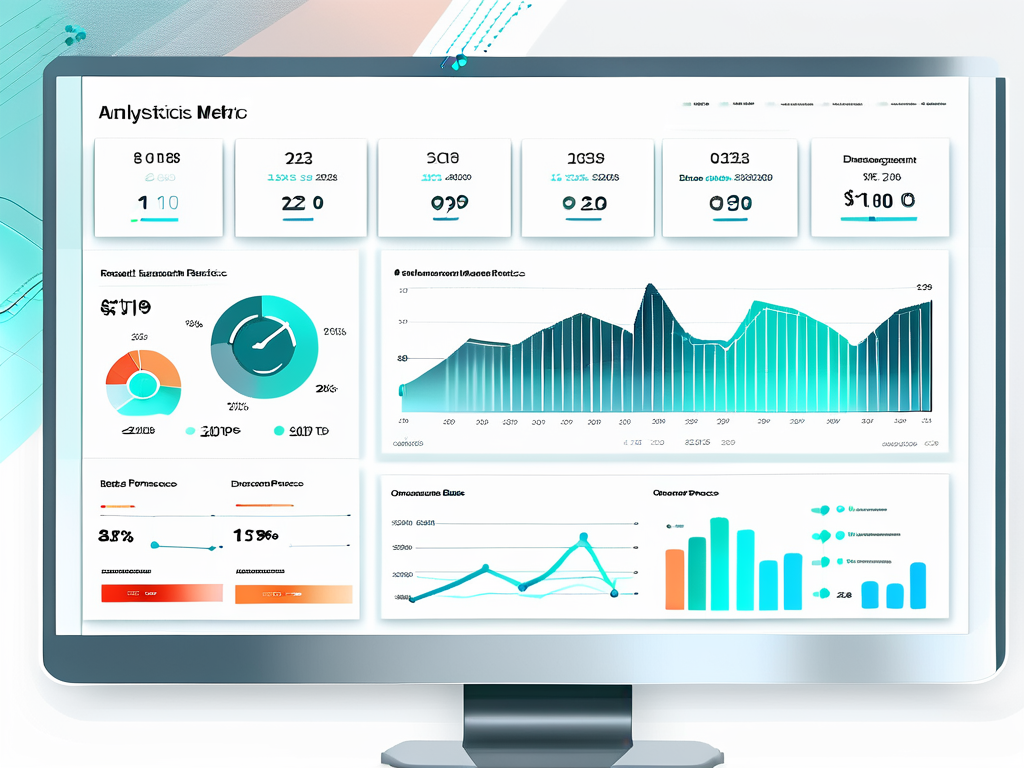
When it comes to measuring the performance of healthcare websites, there are several key performance indicators (KPIs) that provide valuable insights into the effectiveness of the website, user engagement, and overall wellness promotion. These KPIs play a vital role in assessing the success of a healthcare website and guiding its continuous improvement.
Key Performance Indicators for Healthcare Websites
Key performance indicators provide valuable insights into the effectiveness of healthcare websites, user engagement, and overall wellness promotion. Some essential KPIs for healthcare websites include:
- Website Traffic: Monitoring the number of unique visitors and page views helps assess the reach and popularity of the website. It provides a clear picture of how many people are accessing the website and how frequently they are doing so.
- Conversion Rates: Tracking conversion rates, such as appointment bookings or newsletter sign-ups, measures the website’s ability to drive user actions. It helps determine how successful the website is in converting visitors into engaged users who take desired actions.
- Engagement Metrics: Analyzing metrics such as time spent on site, bounce rates, and pages per session helps evaluate user engagement and the relevance of website content. It provides insights into how users interact with the website and whether they find the content engaging and valuable.
- User Satisfaction: Gathering user feedback through surveys and reviews provides valuable insights into user satisfaction and identifies areas for improvement. It allows healthcare websites to understand the needs and preferences of their users and make necessary adjustments to enhance their experience.
By regularly monitoring these KPIs, healthcare websites can gain a comprehensive understanding of their performance and make data-driven decisions to improve user experience and wellness promotion.
Strategies for Continuous Website Improvement
Based on the insights gathered from performance metrics and user feedback, healthcare websites can implement strategies for continuous improvement. These strategies may include:
- Regularly updating website content: Keeping the website content fresh and up-to-date ensures that users have access to the latest information and resources. It also helps in maintaining user engagement and encourages repeat visits.
- Optimizing website speed and loading times: Slow-loading websites can frustrate users and lead to high bounce rates. By optimizing website speed and loading times, healthcare websites can provide a seamless browsing experience and keep users engaged.
- Refining user interfaces based on usability testing: Usability testing helps identify any usability issues or pain points that users may encounter while navigating the website. By refining the user interface based on these findings, healthcare websites can improve user experience and make it more intuitive and user-friendly.
- Adapting to emerging technologies and trends: Staying updated with the latest technologies and trends in web design and development allows healthcare websites to leverage new opportunities for enhancing user experience. It also ensures that the website remains relevant and competitive in the ever-evolving digital landscape.
By implementing these strategies and continuously monitoring performance, high-performance healthcare websites can remain at the forefront of wellness promotion and provide users with a seamless and engaging online experience.
Remember, the journey towards continuous improvement is an ongoing process. It requires healthcare websites to be proactive in identifying areas for enhancement and taking the necessary steps to meet the evolving needs of their users. By prioritizing performance measurement and user feedback, healthcare websites can ensure that they are always delivering the best possible experience and promoting wellness effectively.
 Well Fusion Fitness
Leave a comment