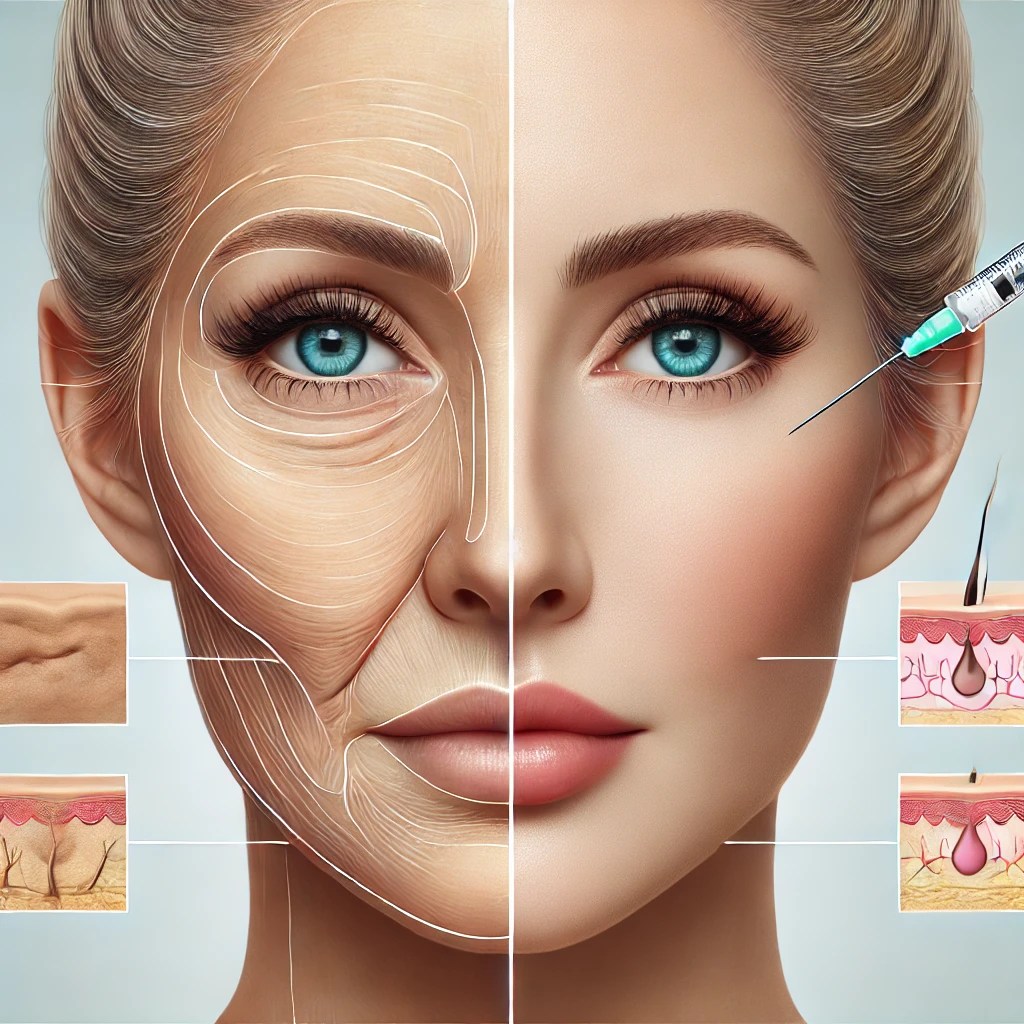
Introduction: The Importance of Volume and Contour in Maintaining Youthful Skin
Aging is inevitable, but the way it manifests on the skin can be managed with modern aesthetic treatments. One of the most noticeable changes as we age is the loss of facial volume and contour, which can lead to sagging, hollow cheeks, and wrinkles. Restoring volume and redefining facial contours is crucial for achieving a youthful, vibrant appearance. Understanding the science behind aging and the solutions available is the first step toward maintaining that youthful glow.
In this comprehensive guide, we’ll explore the causes of volume loss, the treatments available to restore facial structure, and focus on Injectable Fillers, one of the most popular and effective non-surgical options for facial rejuvenation.
Understanding the Natural Aging Process: How and Why Skin Loses Volume

To grasp the importance of maintaining youthful volume and contour, it’s essential to first understand the physiological changes that occur with aging:
1. Depletion of Collagen and Elastin
Collagen and elastin are the structural proteins responsible for keeping skin firm, elastic, and smooth. Collagen provides structure, while elastin allows skin to return to its original position after stretching. As we age, collagen production decreases by approximately 1% each year after the age of 20. This gradual depletion weakens the skin’s foundation, leading to wrinkles, sagging, and reduced elasticity.
2. Loss of Hyaluronic Acid
Hyaluronic acid is a naturally occurring substance in the skin that retains moisture, giving skin a plump, hydrated look. Over time, the skin’s ability to produce hyaluronic acid diminishes, leading to dryness, dullness, and the appearance of fine lines. Hydrated skin appears fuller and more youthful, while dehydrated skin tends to show signs of aging more prominently.
3. Fat Redistribution and Loss
In younger years, fat is evenly distributed across the face, giving it smooth contours and volume. However, with age, fat begins to break down and shift, particularly in areas like the cheeks, under the eyes, and around the temples. This loss of fat contributes to hollowed cheeks, sunken eyes, and overall facial thinning, which can make individuals appear tired or older than they are.
4. Bone Density Reduction and Structural Changes
As we age, we not only lose fat, but the underlying bone structure also begins to change. The bones that provide support to our facial features (such as the jawline, cheeks, and eye sockets) recede, causing further loss of volume and definition. This leads to sagging skin, jowls, and deeper wrinkles, particularly around the mouth and nose.
The Impact of Volume Loss on Facial Contours
Volume plays a key role in maintaining the balance and harmony of facial features. When facial volume is lost, certain areas become more prominent, while others recede. This imbalance can lead to the following visible changes:
- Flattening of the Cheeks: Once full and rounded, the cheeks begin to lose their volume, causing the midface to appear flat or hollow.
- Formation of Nasolabial Folds: With the loss of cheek volume, the skin begins to sag toward the mouth, resulting in deep nasolabial folds (the lines that run from the nose to the corners of the mouth).
- Sunken Eyes and Dark Circles: The thinning of fat pads under the eyes leads to a hollow, tired appearance, and dark circles become more noticeable.
- Loss of Jawline Definition: As the skin loses its elasticity and the underlying bone structure changes, the jawline becomes less defined, leading to sagging jowls.
Injectable Fillers: The Ultimate Solution for Restoring Volume and Contour
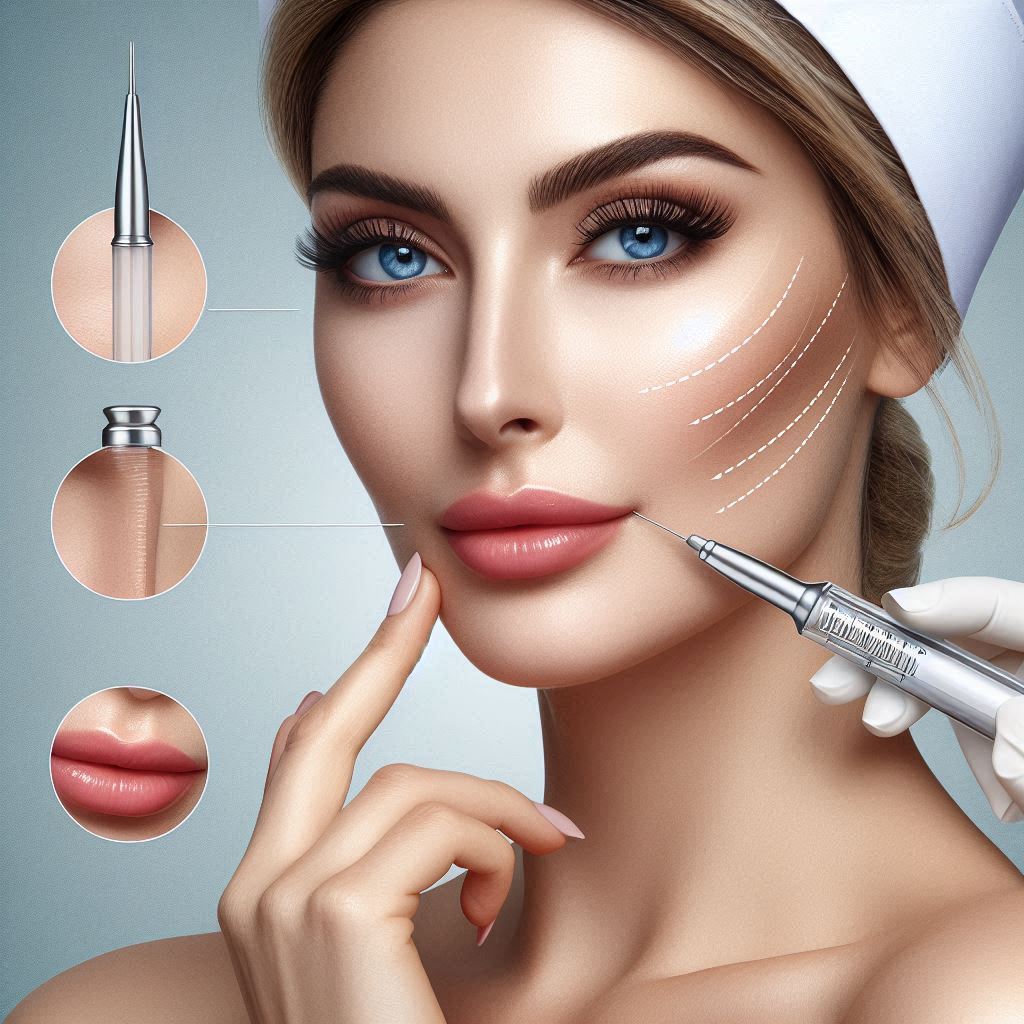
One of the most effective and non-surgical treatments to combat the signs of aging and restore lost volume is through Injectable Fillers. These fillers are specially formulated substances injected beneath the skin’s surface to smooth out wrinkles, restore volume, and enhance facial contours. Injectable fillers are a preferred option for those looking to rejuvenate their appearance without undergoing invasive surgery.
Injectable Filler can instantly plump up areas that have lost volume and create a youthful, more defined facial structure. They are commonly used for the following purposes:
- Restoring fullness to the cheeks and midface
- Smoothing out deep wrinkles and fine lines
- Enhancing lip volume and shape
- Filling under-eye hollows to reduce dark circles
- Defining the jawline and chin
Types of Injectable Fillers and Their Unique Benefits
There are several types of injectable fillers, each designed to address specific areas of concern. Understanding the differences between them will help you choose the best filler for your individual needs:
1. Hyaluronic Acid (HA) Fillers
Hyaluronic acid fillers are among the most popular and versatile options available. Since hyaluronic acid is a naturally occurring substance in the body, HA fillers are well-tolerated and provide immediate results. These fillers work by attracting moisture to the treatment area, giving the skin an instant plumping effect.
- Best for: Enhancing lips, smoothing out nasolabial folds, and restoring cheek volume.
- Results: Last 6-18 months, depending on the product and area treated.
- Advantages: Immediate results, minimal downtime, and reversible using an enzyme (hyaluronidase).
2. Calcium Hydroxylapatite (CaHA) Fillers
Calcium hydroxylapatite fillers contain microscopic calcium particles suspended in a gel-like substance. These fillers are slightly thicker than hyaluronic acid fillers, making them ideal for deeper wrinkles and facial contouring.
- Best for: Deep lines, such as marionette lines and nasolabial folds, and contouring the jawline.
- Results: Typically last around 12 months.
- Advantages: Stimulates collagen production, providing both immediate and long-lasting effects.
3. Poly-L-Lactic Acid Fillers
Poly-L-lactic acid fillers are biocompatible and biodegradable, meaning they are gradually absorbed by the body over time. These fillers work by stimulating collagen production, with results developing gradually after a series of treatments.
- Best for: Treating facial volume loss and hollow cheeks.
- Results: Can last up to 2 years with multiple sessions.
- Advantages: Long-lasting effects and a more natural, gradual enhancement.
4. Autologous Fat Transfer (Fat Grafting)
In this procedure, fat is harvested from another part of the patient’s body (such as the abdomen or thighs) and reinjected into areas where volume has been lost. Because the filler comes from the patient’s own body, there is little risk of allergic reactions.
- Best for: Long-lasting volume restoration in larger areas like the cheeks and temples.
- Results: Permanent in many cases, although some fat reabsorption may occur.
- Advantages: Uses the body’s own tissue, providing natural results and avoiding synthetic materials.
Key Considerations When Choosing an Injectable Filler
When choosing an injectable filler, several factors need to be considered:
- Target Areas: Different fillers are designed for specific areas, such as the cheeks, lips, or under-eyes. Choosing the right product is key to achieving optimal results.
- Desired Longevity: Some fillers, like hyaluronic acid, offer temporary results that last 6-18 months, while others, like poly-L-lactic acid, can provide longer-lasting effects. Consider how often you’re willing to maintain the treatment.
- Individual Skin Needs: Your skin type, age, and the extent of volume loss will also play a significant role in determining which filler is right for you.
Consulting a licensed professional with experience in facial aesthetics is crucial to ensure the filler you choose aligns with your goals and provides natural-looking results.
The Injectable Filler Procedure: What to Expect

Injectable filler treatments are relatively quick, non-invasive procedures that can often be done in under an hour. Here’s what to expect:
- Consultation: A thorough assessment of your facial structure, skin condition, and aesthetic goals will be done by your practitioner to determine the best treatment plan.
- Numbing the Area: To ensure comfort during the procedure, a numbing cream or local anesthetic is typically applied to the treatment area.
- Injection: The filler is carefully injected into the targeted areas using a fine needle or cannula. The process is precise and involves multiple small injections to ensure even distribution.
- Post-Procedure: Mild swelling or bruising may occur, but this usually resolves within a few days. Results are immediate, although they continue to improve as the filler settles.
Post-Treatment Care and Maintenance
Taking care of your skin after a filler treatment is essential to achieving long-lasting and natural-looking results. Here are some aftercare tips:
- Avoid Touching the Treated Area: Refrain from massaging or pressing on the area for at least 24 hours to prevent displacement of the filler.
- Stay Hydrated: Drinking plenty of water enhances the effects of hyaluronic acid fillers, helping the skin stay plump and hydrated.
- Avoid Excessive Sun Exposure: Protect your skin from UV rays to prevent premature aging and preserve the results of the filler.
- Follow-Up Appointments: Depending on the filler used, touch-up treatments may be needed every 6-18 months to maintain the desired appearance.
Potential Risks and Safety Considerations
While injectable fillers are generally safe when performed by qualified professionals, there are some risks associated with the procedure. These include:
- Bruising and Swelling: Mild swelling and bruising are common but usually resolve within a few days.
- Allergic Reactions: Though rare, some individuals may experience allergic reactions to certain fillers.
- Infection: Proper hygiene and sterilization practices can reduce the risk of infection at the injection site.
- Lump Formation: Overfilling or incorrect placement of the filler can result in lumps or uneven texture. This is why choosing an experienced provider is crucial.
Frequently Asked Questions (FAQs)
1. How long do fillers last?
The longevity of fillers depends on the type used. Hyaluronic acid fillers typically last between 6-18 months, while poly-L-lactic acid fillers can last up to 2 years.
2. Are fillers painful?
Most patients experience minimal discomfort during the procedure, thanks to numbing agents. The sensation is often described as a mild pinch.
3. Are the results reversible?
Hyaluronic acid fillers can be reversed using an enzyme called hyaluronidase if you are not satisfied with the results.
4. When will I see the full results?
Results are immediate, but it can take a few days for swelling to subside and for the filler to fully settle, revealing the final outcome.
5. Can fillers prevent future wrinkles?
While fillers can smooth existing wrinkles, they do not prevent future wrinkles from forming. Regular maintenance is needed to maintain a youthful appearance.
Conclusion: Reclaim Your Youthful Appearance with Injectable Fillers
Injectable fillers offer an excellent solution for restoring lost volume, redefining facial contours, and creating a youthful, refreshed look without surgery. With the right type of filler and proper care, you can achieve long-lasting results that enhance your natural beauty. Always consult with a board-certified professional to ensure safe, effective treatment tailored to your unique needs.
 Well Fusion Fitness
Leave a comment